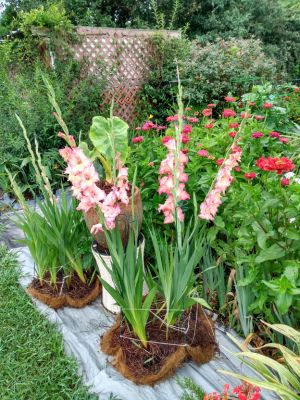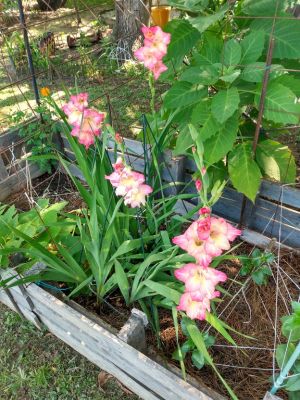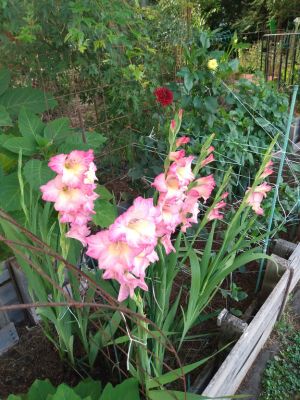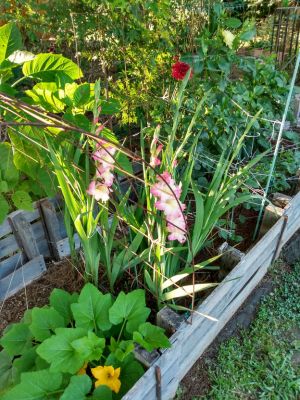

Calhoun County, AL – A cherished garden tradition has continued to bloom since 2018, when a mother’s heirloom gladiolus bed was passed down and carefully maintained. What began as a personal inheritance has grown into both a labor of love and a lesson in preserving the beauty and longevity of gladiolus corms.
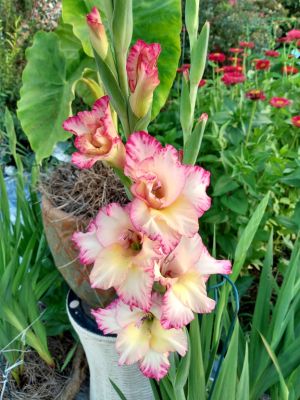
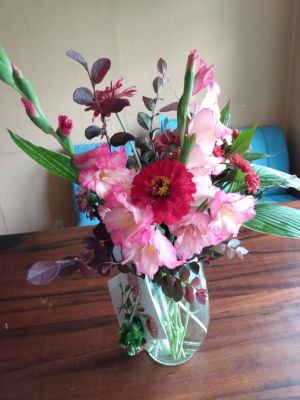
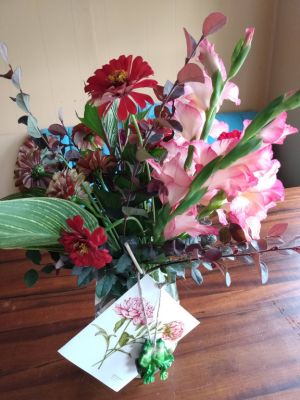
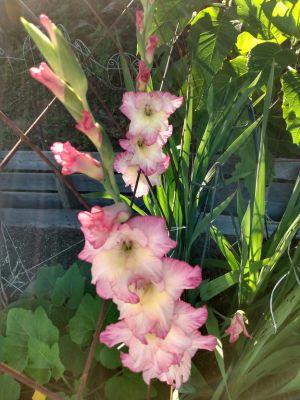
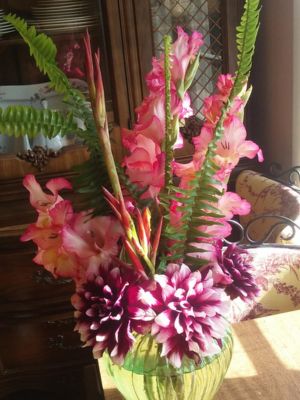
Though often referred to as bulbs, gladiolus actually grow from corms—an important distinction for gardeners. Among the collection, the standout variety remains the Plum Tart gladiolus, known for its soft pastel pink petals and delicate yellow centers. These blooms offer a striking display, often described as eye-catching additions to any floral arrangement.
Gladiolus typically bloom within 10 to 14 weeks after planting, with peak flowering occurring from late June into early July. Some gardeners choose to stagger plantings to extend the blooming season, though extreme summer heat—especially temperatures exceeding 85 degrees—can reduce flower production. Early summer conditions provide the most favorable environment for vibrant blooms.
To maintain healthy plants, the corms are left in the ground for three to five years before being dug up in the fall. While some gardeners leave corms undisturbed indefinitely, over time this can lead to diminished blooms as the plants become overcrowded and energy is divided among new, smaller corms.
After being removed from the ground, the corms undergo a curing process. Stalks are left attached and hung in a dry outdoor space, such as a shed wall, for several weeks. This step helps protect the corms from excess moisture and potential rot. Once cured, the dried stalks are removed, and the corms are stored in paper bags in a cool, dry, and dark location. Care is taken to avoid areas with high humidity, such as bathrooms, which can cause deterioration.
Planting begins again after the final frost of the season. Gladiolus corms are adaptable to many soil types, though nutrient-rich compost improves growth. Dense clay soil is less suitable. When planting, depth is kept shallow—approximately the depth of a hand. Watering is delayed until green shoots appear, followed by consistent weekly watering. Unlike water-loving plants such as canna lilies, gladiolus prefer well-drained conditions.
As the plants grow, staking becomes necessary. The tall stalks produce heavy blooms that can be easily damaged by wind if left unsupported.
Through careful attention and time-tested techniques, this heirloom garden continues to thrive, offering both beauty and a connection to generations past. Gladiolus, with their vibrant colors and graceful stalks, remain a rewarding addition for gardeners willing to nurture them season after season.
Betty Clark is a contributing writer. She has been an organic gardener since 1998. The signature flower she grows is Dahlias. She has a straw bale garden, a raised bed garden, and an in-ground garden. Both her surnames are from agricultural farming families (8 generations). Her hobbies include ancestry research, antiques, continued education classes, and workshops. She also has a background in marketing & promotions, including expos. To contact Betty Clark with gardening questions: bettyclark2151959@gmail.com