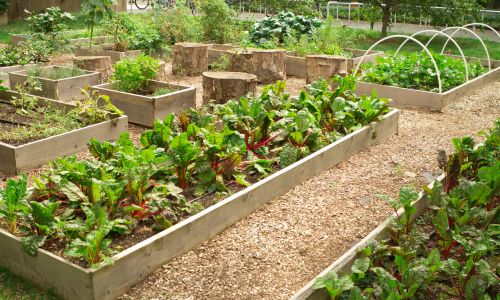

For small-scale growers and market gardeners exploring Community Supported Agriculture beginners’ options, a CSA can turn the local food movement into a steadier sales channel built on farm-to-table sustainability. The draw is clear: upfront commitments, recurring demand, and a community that learns to value what the farm produces week after week. The tension is just as real, with CSA benefits and challenges ranging from planning and consistency expectations to communication and the responsibility of delivering a reliable experience. When the fit is right, this small farm business model creates dependable revenue and lasting customer loyalty.
Plan → Price → Grow → Deliver → Improve
This workflow turns a CSA idea into an operating routine you can repeat each season. It clarifies what to decide first, what to schedule next, and what to revisit so your program stays consistent for members and workable for the farm.

| Stage | Action | Goal |
| Choose your CSA model | Pick share type, add-ons, member count, season length | Clear offer that matches capacity |
| Set share pricing | Price for costs, labor, risk, and packing time | Sustainable margins per share |
| Build the crop plan | Map weekly variety, succession, and backup crops | Reliable harvest flow across weeks |
| Coordinate delivery logistics | Set pickup sites, days, packaging, check-in, and contingencies | Smooth handoff with fewer errors |
| Run the marketing timeline | Schedule signup launch, reminders, waitlist, and onboarding emails | Steady enrollment and fewer surprises |
| Review and scale | Track churn, feedback, labor hours, and weak weeks; adjust | Better fit, cleaner systems, controlled growth |
Each stage feeds the next: the model defines the promise, pricing funds the work, and planning protects consistency. Logistics and marketing make the promise easy to join and easy to receive, while the review step turns small fixes into compounding improvements.
Make CSA Photos Sell: Upgrade Box and Farm Visuals Fast
Once your CSA plan and timeline are set, the fastest way to make your sign-up page and outreach feel more “real” is to sharpen the visuals people see first. Clean, high-quality photos of your crops, harvest boxes, and pickup locations can make your marketing materials, social media posts, and member newsletters look professional, and that consistency helps keep attracting new subscribers.
If you’re working with images taken on a phone or in mixed lighting, an AI image upscaler can quickly improve how they read on screens by enhancing resolution and clarity. Tools like Adobe Firefly can help you upgrade existing farm photos so your produce looks crisp, the box contents are easy to see, and your pickup setup feels organized and welcoming. That means you can enlarge photos (for a website banner, an email header, or a social post) while preserving detail and visual quality, instead of ending up with soft, pixelated images that undermine trust.
Run the Week Smoothly: Price, Pack, and Communicate
A CSA can have great crops and still lose members if weekly operations feel chaotic or unclear. Use the tips below to tighten pricing, planning, packing, and communication so your shares stay profitable, and predictably good.
- Price shares from real costs, then stress-test the value: Build a simple per-week cost model: seed/starts, amendments, labor hours, packaging, delivery fuel, and 5–10% for “oops” losses (weather, pests, extras). Divide by the number of shares you can reliably fill, then add a profit margin you can defend. Anchor your pricing with a tangible example members understand, some CSAs position a season using a $535 weekly full share as a reference point, then explain what your share includes and what it doesn’t.
- Plan weekly variety with a repeatable box template: Create 2–3 “box patterns” you can rotate (for example: 1 cooking green, 1 salad item, 1 root, 1 allium/herb, 1 fruiting crop, 1 wildcard). Every Thursday, map the coming week to a draft list, then confirm harvestable volume 48 hours before packing. This keeps shares consistent without promising specific crops too early, and it helps you avoid the midseason trap of five greens and no “meal builders.”
- Use transparency rules for substitutions and shortfalls: Decide in advance what happens when a crop fails: substitute within the same category, add a bonus item when you can, and communicate changes the moment you know. Post a weekly “share notes” message with what’s in the box, what changed, and how to use it, then pair it with the best box photo from your improved photo workflow to reinforce perceived value. Members forgive surprises far more readily when the explanation is prompt and specific.
- Bake food safety into the workflow, not a one-time training: Set up a clean/dirty zone in your wash/pack space, and write a one-page checklist for every packing day (handwashing, sanitized surfaces, clean totes, cold items into refrigeration within minutes). Track cooler temps with a daily log and keep harvested produce shaded from field to wash station. These habits reduce spoilage, protect your reputation, and lower the risk of having to credit members for quality issues.
- Choose packaging that’s fast, sturdy, and easy to return: Standardize container sizes so your packing line is muscle memory: one tote for greens, one for heavy items, one for fragile produce. Add simple labeling, share size, member name, and “store this cold” for items that truly need it, so pickup is smooth. If you use returnable bins, set a clear return rule (for example: “bring last week’s tote to get this week’s share”) and keep a small stash of loaners to prevent bottlenecks.
- Communicate on a fixed schedule members can count on: Pick three touchpoints: a pre-weekend preview, a day-before pickup reminder, and a pickup-day “what’s in the box” note with storage tips. Keep every message consistent: subject line format, pickup times, parking instructions, and one great photo that matches what members actually receive. A steady cadence reduces missed pickups, cuts your support inbox, and builds retention through reliability.
CSA FAQs: Sign-Ups, Payments, Policies, and Waste
Q: What’s the simplest way to handle CSA sign-ups without getting overwhelmed?
A: Start with one intake form that collects member name, pickup choice, share size, and preferred contact method. Confirm enrollment with an auto-reply that restates pickup rules and what the share includes. Keep a single spreadsheet or CRM as your source of truth, and limit special cases your first season.
Q: How should I set up payment processing for shares and add-ons?
A: Offer two options: pay-in-full for best cash flow and a monthly installment plan for accessibility. Use a payment processor that can store cards securely and automate recurring invoices, then set clear deadlines and late-payment rules. Always send receipts and a simple refund or credit policy upfront.
Q: What legal considerations do CSAs usually need to cover?
A: Put your core terms in writing: what members receive, pickup windows, substitution policy, and how missed pickups are handled. Remember that a CSA is a community of individuals who share benefits and risks, so your language should avoid guaranteeing exact items every week. Also check local requirements for food safety, labeling, and liability coverage.
Q: How can I track retention so I know what’s really working?
A: Create a simple dashboard with renewal rate, missed pickups, refunds or credits, and support requests per month. Tag why members leave using a short exit survey and a few standard categories. Retention improves faster when you seek feedback regularly and act on patterns.
Q: What are practical ways to reduce waste without lowering share value?
A: Tighten harvest targets, then use a seconds plan: discounted add-on bags, soup kits, or donations paired with a tax-aware record. Standardize pack weights for high-variance crops so overfilling does not quietly drain margins. Track shrink by item each week and adjust seeding, harvest timing, and storage first.
Grow a Profitable CSA With Retention-First Operations and Smart Expansion
Running a CSA can feel like balancing crop reality with member expectations, payments, policies, and the daily logistics that eat up time. The most reliable path is a clear CSA operational summary backed by strategic planning for CSA growth, tight systems first, then intentional expansion. When you apply that mindset, renewals become more predictable, margins steadier, and decisions about expanding pickup locations, adding product add-ons, or hiring for CSA management get easier to evaluate. Retention is the lever that makes CSA growth sustainable. Choose one next step: review last season’s renewal and churn notes, then set a simple target for strengthening member retention importance before adding complexity. That focus builds a steadier farm business and a more resilient local