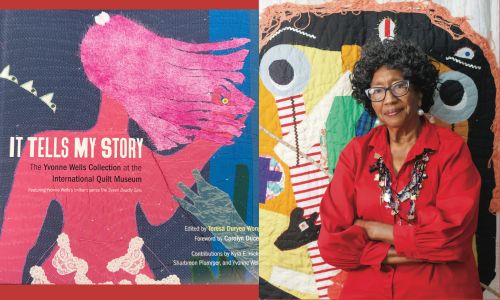

TUSCALOOSA, AL — The work of Tuscaloosa artist Yvonne Wells is the focus of a new art book examining her distinctive narrative quilts and the stories of faith, history and personal experience woven throughout her work.
It Tells My Story showcases 34 quilts from the Yvonne Wells Collection at the International Quilt Museum at the University of Nebraska–Lincoln, where Wells holds a notable distinction: Among the museum’s permanent collection of more than 10,000 objects, she is its most represented individual artist.
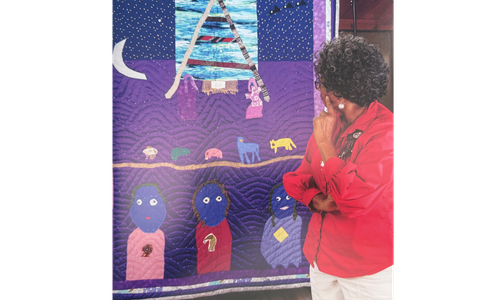
Known for her bold colors, expressive imagery and storytelling approach, Wells has created quilts addressing subjects ranging from biblical narratives and the Civil Rights Movement to events and experiences from her own life.
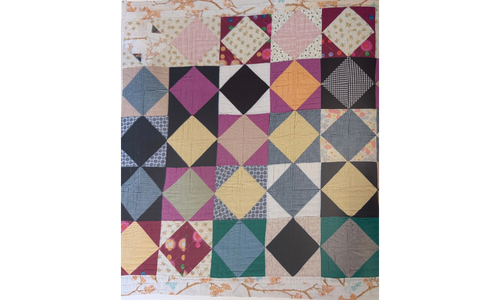
Rather than following traditional quilt patterns, Wells has developed a recognizable style in which fabric becomes a medium for telling stories. Her works frequently combine figures, symbols, text and vivid colors to explore subjects that carry historical, spiritual or personal significance.
The new book places those works at the center of a broader examination of Wells’s career and her place within the art and quilting worlds.
Essays by quilt historians Teresa Duryea Wong, Carolyn Ducey, Kyra E. Hicks and Sharbreon Plummer provide additional context on Wells and her body of work. The book also allows Wells to speak about her art in her own words, particularly through its presentation of one of her best-known series, The Seven Deadly Sins.
The volume goes beyond the familiar front surfaces of the quilts. It also includes images of the backs of many of Wells’s works, some of which have not previously been published. The additional views provide readers with another perspective on the construction and visual character of the pieces.
Wells’s path as an artist has been unconventional. A Tuscaloosa native and longtime Alabama artist, she began quilting later in life and developed her work largely outside the traditional framework of formal art training. Her quilts eventually gained recognition well beyond Alabama and became part of museum and private collections.
Storytelling remains central to that work.
Through fabric, Wells has addressed stories from scripture, racial history and the Civil Rights era alongside subjects drawn from family, community and her own experiences. The resulting quilts function not only as textile works but also as visual narratives documenting the subjects Wells has chosen to preserve and interpret.
That narrative quality is reflected in the title It Tells My Story.
The International Quilt Museum’s extensive holdings of Wells’s work provide the foundation for the book, allowing readers to view dozens of pieces together rather than encountering individual quilts separately in exhibitions or collections.
For Alabama audiences, the publication also highlights an artist whose work developed in Tuscaloosa while ultimately reaching an international audience through museums, exhibitions and scholarship.
With 34 works reproduced alongside historical and artistic commentary, It Tells My Story offers a concentrated look at Wells’s approach to quiltmaking and the subjects that have shaped her decades of work.
The book presents the quilts as Wells created them: not simply as patterns and fabric, but as a means of recording stories she believed were worth telling.