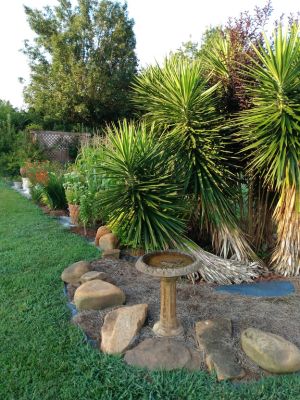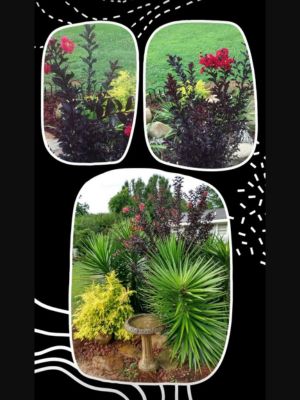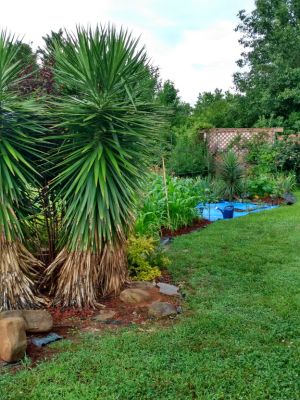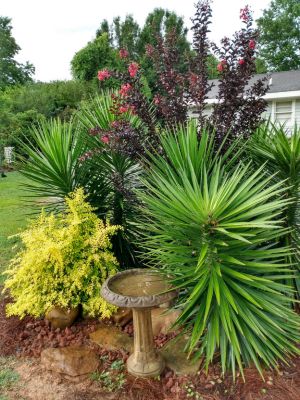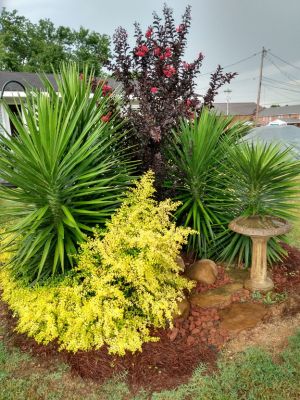

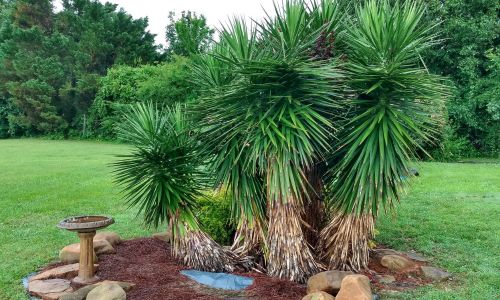
Calhoun County, AL – Yuccas are among the most striking and resilient plants found in home landscapes, offering year-round greenery, dramatic height, and exceptional drought tolerance. With more than 40 species of Yucca, these versatile plants thrive in USDA hardiness zones 4 through 11, making them well-suited for a wide range of climates. Some varieties can grow as tall as 12 feet, while branching types develop into tree-like forms that add architectural interest to gardens.
One of the Yucca’s most impressive features is its bloom. After reaching maturity, typically within a few years, Yuccas produce large clusters of white flowers that can be comparable in size to a pineapple. These blooms create a striking display and attract attention in any landscape setting.

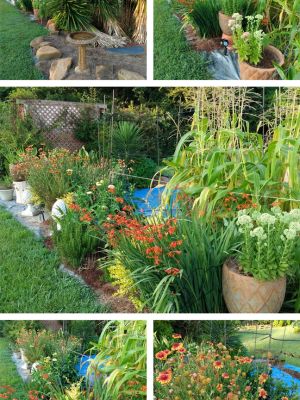
Yuccas are also easy to propagate. Starting with just seven plants in a rock garden, one local gardener has successfully produced more than 35 additional plants over the course of eight years through natural offshoots. These young plants can be transplanted into other garden areas or decorative containers, expanding their presence throughout the landscape.
While Yuccas can grow in partially shaded areas, they generally require full sun to produce blooms. Once established, they are highly drought-tolerant and require very little maintenance. Their distinctive sword-like foliage provides strong vertical structure, making them a popular choice for rock gardens, foundation plantings, and container displays.
Gardeners can create eye-catching arrangements by pairing small Yucca plants with colorful annuals and perennials in large decorative pots. The contrast between the Yucca’s bold form and softer flowering plants creates visual interest and depth.
When transplanting offshoots, care should be taken to avoid disturbing the parent plant’s root system. Smaller offshoots can often be gently separated from the main plant, encouraging new root development while preserving the health of the mature Yucca. Larger transplants may require temporary staking until they become fully established.
Unlike many trees and shrubs, Yuccas require little upkeep. They do not shed large amounts of foliage, rarely need pruning, and maintain their evergreen appearance throughout the year. Their tall flower stalks and strong structure can even provide nesting locations for birds, adding wildlife value to their many landscaping benefits.
For gardeners seeking a hardy, attractive, and low-maintenance plant, Yuccas continue to prove they are a standout choice in landscapes of all sizes.
Betty Clark is a contributing writer. She has been an organic gardener since 1998. The signature flower she grows is Dahlias. She has a straw bale garden, a raised bed garden, and an in-ground garden. Both her surnames are from agricultural farming families (8 generations). Her hobbies include ancestry research, antiques, continued education classes, and workshops. She also has a background in marketing & promotions, including expos. To contact Betty Clark with gardening questions: bettyclark2151959@gmail.com