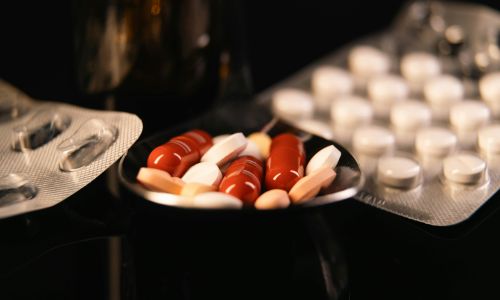

MONTGOMERY, AL — Alabama Attorney General Steve Marshall announced that the U.S. Drug Enforcement Administration has formally classified bromazolam, often referred to as “Designer Xanax,” as a Schedule I controlled substance under the Controlled Substances Act.
The classification, which places bromazolam in the same category as heroin and LSD, follows a request from a coalition of 21 state attorneys general urging federal action. According to the announcement, the designation allows law enforcement agencies to take stronger measures against the substance and raises awareness about its potential dangers.

“The DEA’s decisive action arms law enforcement officers across the state with the critical tools and authority they need to stand firmly against the growing threat of dangerous and unpredictable substances like bromazolam,” Marshall said. “As evidenced by our successful litigation holding opioid manufacturers accountable, we are committed to protecting our communities. With the recent news, Alabama is better equipped than ever to do so.”
Officials say bromazolam has become a growing concern due to its potency and the challenges associated with detecting and treating overdoses. Naloxone, commonly known as Narcan, is reported to be ineffective against overdoses involving the substance, increasing the risk of fatal outcomes.

In a separate but related enforcement effort, Marshall also announced that the Attorney General’s Office has issued a cease-and-desist order to businesses found to be selling or possessing products containing mitragynine and hydroxymitragynine, compounds commonly associated with kratom. These substances are classified as Schedule I controlled substances under Alabama law.
The action follows independent laboratory testing that confirmed the presence of these compounds in products currently available on store shelves across the state. Products identified include “Boujee Bliss,” “Better Weather,” and “Happy Hour,” which were marketed for pain relief and relaxation without disclosing the presence of kratom-derived ingredients.
“Alabama will not be a marketplace for dangerous, illegal substances regardless of what they are called or how they are packaged,” Marshall said. “These products prey on unsuspecting consumers, including children, who have no way of knowing what they are purchasing. We are putting every retailer on notice that they need to remove these products immediately. Those who choose to ignore this order will face the full force of the law, including seizure of assets and felony prosecution.”
Under Alabama law, it is illegal to possess, sell, or offer for sale any product containing these compounds, regardless of labeling or marketing claims. Businesses that fail to comply may face asset seizure, felony charges, and civil penalties under the Alabama Deceptive Trade Practices Act.
The Attorney General’s Office also warned consumers that product labels may not fully disclose all ingredients, potentially placing individuals at risk of unknowingly possessing a controlled substance or experiencing adverse health effects.
State officials said enforcement efforts are being coordinated with local district attorneys and law enforcement agencies to identify and remove the products from circulation.