
Calhoun County, AL – For gardeners who enjoy saving seeds and watching their landscapes transform each season, a carefully selected group of plants can deliver both beauty and biodiversity. One local gardening enthusiast is sharing a list of favorite seeds collected and grown year after year—plants known for their height, vibrant colors and ability to attract pollinators such as bees and butterflies.
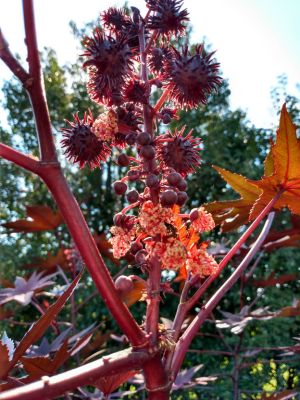
Among the favorites are Castor Beans, which thrive in hot weather and can grow more than seven feet tall. Their striking wine- and bronze-colored stalks and dramatic leaves create a bold contrast when planted near beds of red, yellow and orange flowers.

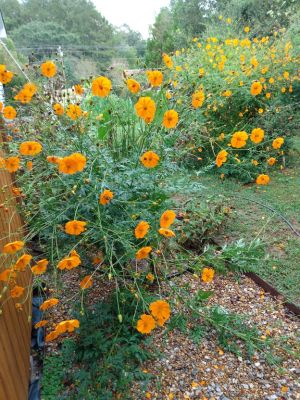
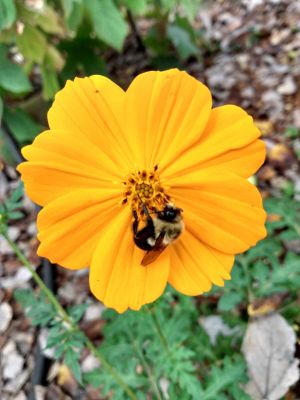
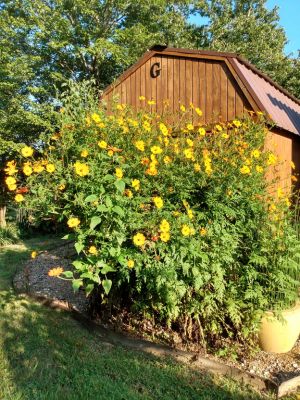
Another standout is Orange Tickseed, a sun-loving plant that can reach heights of up to nine feet. Its soft, fern-like foliage forms plush, fanned leaves that provide an inviting landing place for pollinators. Bees and butterflies are especially drawn to these blooms.
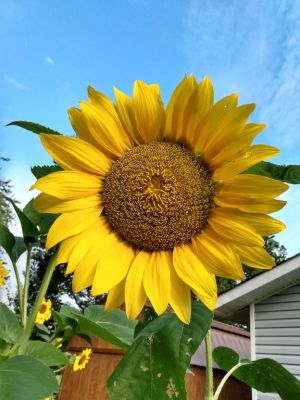
Gardeners looking for towering summer color often turn to Mammoth Sunflowers, which can grow stalks reaching nine feet tall. These giant blooms bring dramatic vertical interest to a garden while producing seeds enjoyed by birds later in the season.
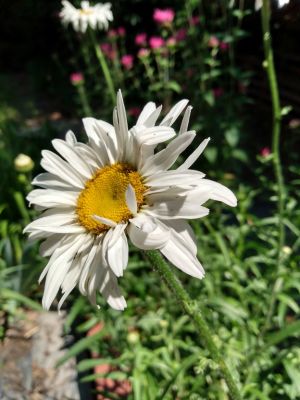
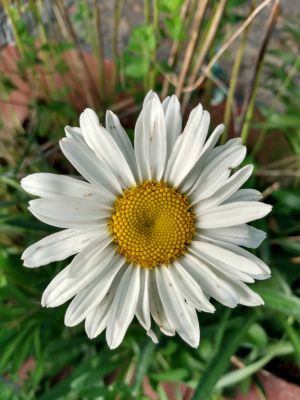
For perennial color, White Shasta Daisies remain a classic favorite. Recognizable by their bright yellow centers and crisp white petals, these daisies spread easily once their roots are established and transplant well for gardeners who want to expand their flower beds.
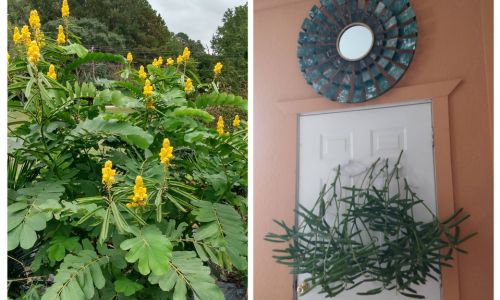
Yellow Asters, another perennial option, can grow more than four feet tall and provide additional bursts of color throughout the growing season.
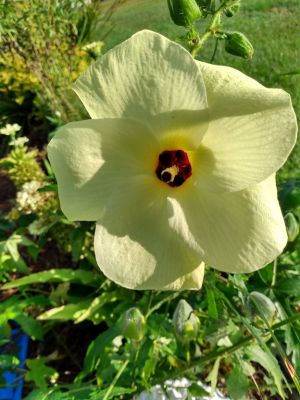
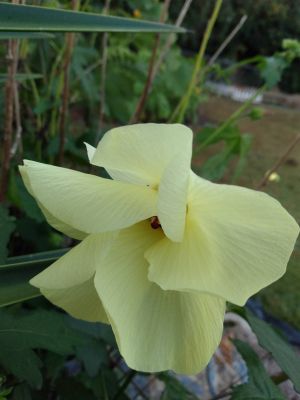
The Yellow Wild Hybrid Hibiscus (Mallow) adds both height and productivity, growing around four feet tall and producing dozens of seed pods each season—perfect for gardeners who enjoy harvesting seeds for future planting.
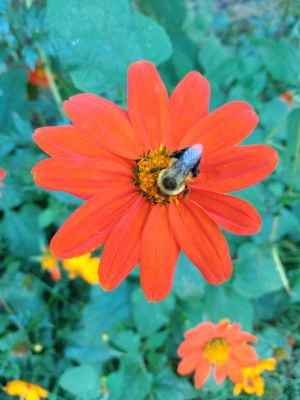
For bold seasonal displays, Mexican Torch Orange Sunflowers can also reach heights near nine feet. Their bright blooms attract bees and butterflies and later serve as a seed source for birds during the winter months.
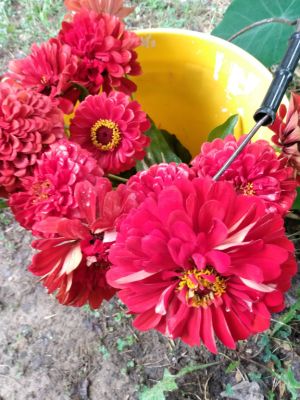
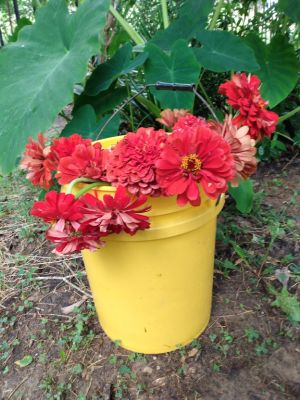
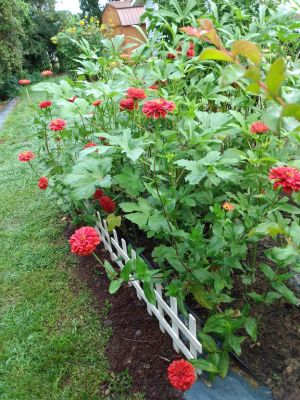
Garden beds can also benefit from Double Scarlet Flame Zinnias, which grow up to seven feet tall and feature flower heads nearly twice the size of traditional zinnias, creating striking clusters of color.
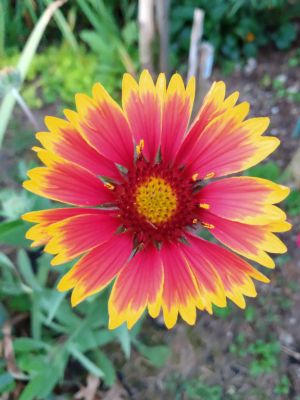
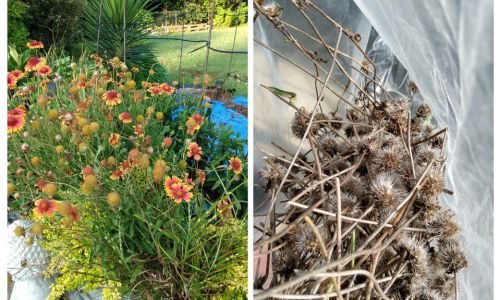
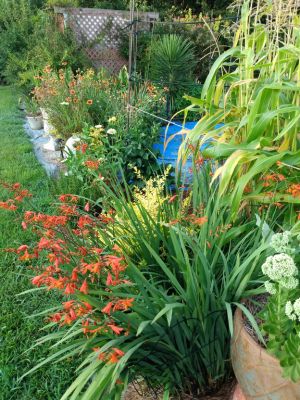
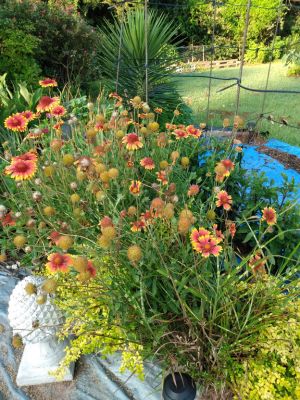
Blanket Flowers, known for their tri-colored petals in shades of yellow, orange and maroon, provide hardy perennial beauty. Their roots are winter-tolerant, allowing them to return year after year.
One newer addition to the list is an ornamental bean plant: Red Vining Purple Hyacinth Beans. First grown in 2024, five beans were planted and three successfully grew into nine-foot vines with reddish-purple stems, lavender blooms and decorative purple pods.
Together, these plants highlight how seeds can add texture, height and seasonal interest to landscapes filled with trees, shrubs, vines, bulbs, corms, tubers and rhizomes.
For gardeners interested in saving seeds, there is one important tip: harvest seeds before the first winter freeze and allow them to dry completely before storage. Proper drying helps prevent mold and ensures seeds will remain viable for the next growing season.
By selecting a mix of tall bloomers, pollinator favorites and perennial staples, gardeners can create landscapes that are not only visually appealing but also beneficial to local wildlife.
Betty Clark is a contributing writer. She has been an organic gardener since 1998. The signature flower she grows is Dahlias. She has a straw bale garden, a raised bed garden, and an in-ground garden. Both her surnames are from agricultural farming families (8 generations). Her hobbies include ancestry research, antiques, continued education classes, and workshops. She also has a background in marketing & promotions, including expos. To contact Betty Clark with gardening questions: bettyclark2151959@gmail.com