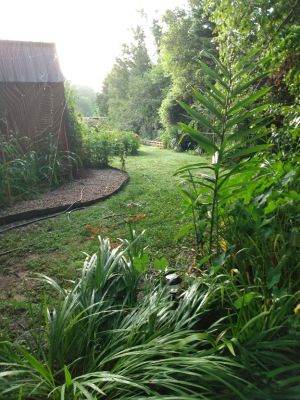

Calhoun County, AL – For gardeners looking to establish or enhance a shade garden, selecting the right mix of plants can create a landscape filled with texture, color, and year-round interest.
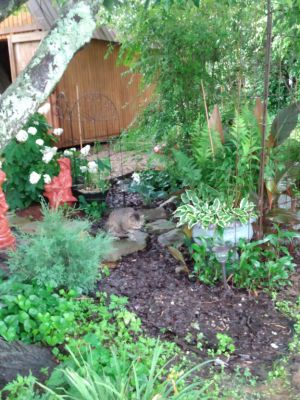
Many gardeners begin with dependable shade-loving favorites such as hostas, elephant ears, ferns, caladiums, and coleus. Among the most popular choices are Albo hostas, which feature green leaves edged in white and are hardy enough to return each spring after winter dormancy. Blue Elegance hostas are another favorite, offering striking blue foliage that remains most vibrant in deeper shade but gradually becomes greener as light exposure increases.

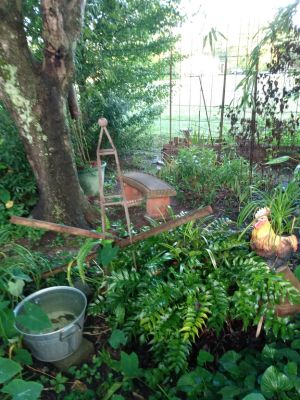
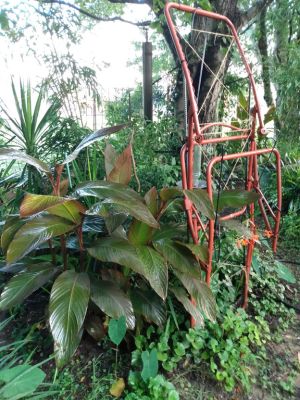
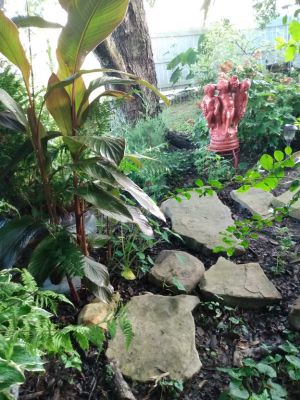
Elephant ears add bold foliage and dramatic size to shaded spaces, while Lady Ferns provide elegant texture with their feathery, lace-like leaves. These hardy ferns can reach up to two feet in height and return year after year.
For seasonal color, caladiums offer an abundance of options in various sizes, patterns, and shades. Gardeners should note that caladium bulbs typically need to be dug up and stored before freezing temperatures arrive to ensure they survive for the following season.

Shade garden maintenance is equally important. Perennial shade plants often benefit from a spring application of snail bait pellets, which help protect foliage from damage caused by snails.
Coleus remains a favorite annual for adding vibrant color and visual interest. Available in a wide range of variegated patterns and hues, coleus can be planted directly in the ground or displayed in containers throughout the garden.
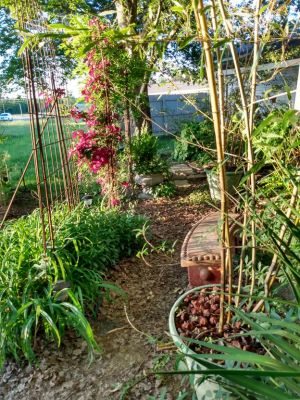
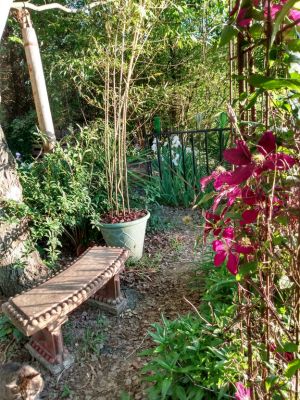
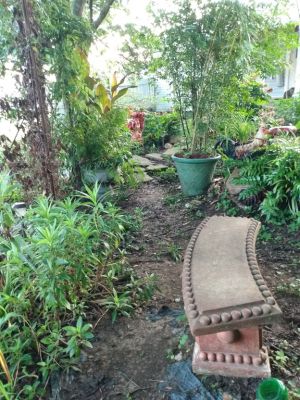
Container gardening can also be an effective way to incorporate bamboo into shaded landscapes. Growing bamboo in pots helps control its spreading roots while still providing vertical structure and natural screening.
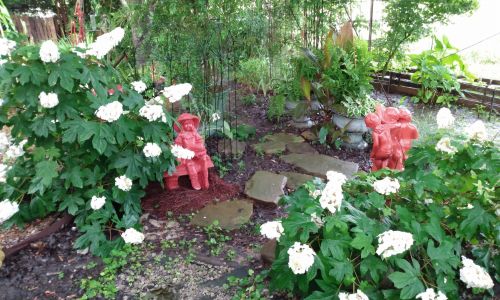
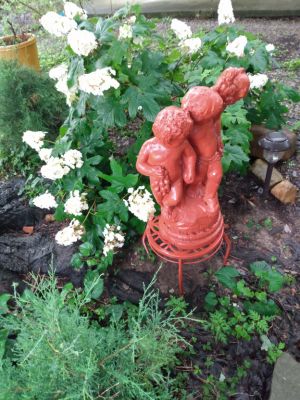
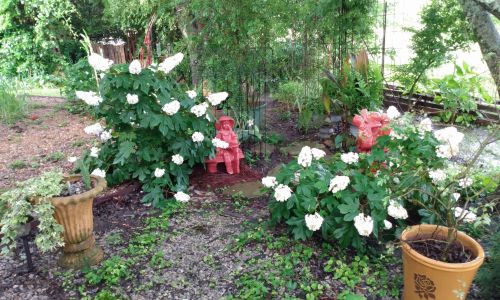
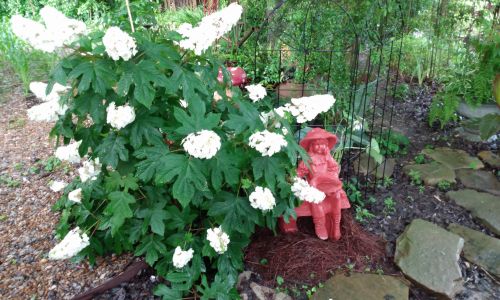
Hydrangeas are often considered one of the best shrub investments for shade gardens. Their attractive foliage, diverse bloom colors, and variety of sizes make them a versatile addition to many landscapes.
Gardeners seeking additional privacy or protection for shade plants may consider using vines on trellises positioned in sunny areas. As the vines grow, they can create natural walls that provide filtered shade and shelter for more delicate plants.
Successful shade gardening ultimately begins with healthy soil. A rich blend of compost and quality mulch helps retain moisture, improve soil structure, and create the ideal environment for shade-loving plants to thrive.
With thoughtful plant selection and proper care, shade gardens can become vibrant outdoor spaces filled with beauty, texture, and color throughout the growing season.
Betty Clark is a contributing writer. She has been an organic gardener since 1998. The signature flower she grows is Dahlias. She has a straw bale garden, a raised bed garden, and an in-ground garden. Both her surnames are from agricultural farming families (8 generations). Her hobbies include ancestry research, antiques, continued education classes, and workshops. She also has a background in marketing & promotions, including expos. To contact Betty Clark with gardening questions: bettyclark2151959@gmail.com