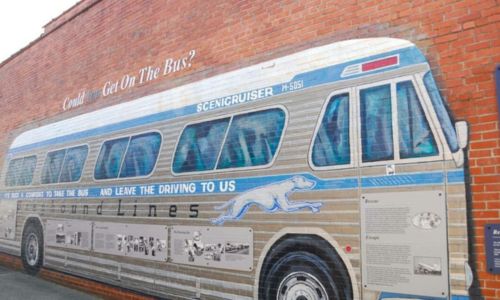

ANNISTON, AL — The National Park Service has finalized the master plan and environmental assessment (Plan/EA) for the Bus Burning Site at Freedom Riders National Monument, issuing a Finding of No Significant Impact (FONSI).
According to the NPS, the finalized Plan/EA establishes long-term management guidance, development concepts, and conceptual designs for commemorating the Freedom Rides and the Freedom Riders at the Bus Burning Site unit of the national monument. The plan integrates natural and cultural resource protection goals while evaluating potential impacts on visitor experience.

Public and stakeholder input was gathered during a comment period held in August and September 2025. The Plan/EA evaluated four alternatives: a no-action alternative (Alternative 1), which served as a baseline for comparison, and three action alternatives (Alternatives 2–4) proposing varying development concepts intended to enhance visitor access, interpretation, and commemoration of the Freedom Rides and Riders.
Following the review process, the NPS selected Alternative 3 — the agency’s proposed and preferred alternative — for implementation. The selected alternative reflects a balance between resource protection, visitor access, and meaningful commemoration of the site’s historic significance.
The Bus Burning Site is located approximately six miles outside Anniston in Calhoun County. It marks the location where a violent mob set fire to a Greyhound bus carrying Freedom Riders during the 1961 Freedom Rides, a civil rights movement aimed at challenging racially segregated interstate bus travel and station facilities across the South.
The Bus Burning Site is one of two units that comprise Freedom Riders National Monument. The second unit is the historic Greyhound Bus Station in downtown Anniston, where the Freedom Riders first encountered the mob and from which the bus departed.
The finalized Plan/EA and Finding of No Significant Impact are available through the National Park Service’s planning website.